Finding the Best Red Dot for Kel Tec Cp33 isn’t just about picking a popular optic—it’s about matching the unique characteristics of this lightweight .22LR pistol to a red dot that complements its speed, ergonomics, and mounting setup. I’ve spent a lot of time running optics on the CP33 platform, and it behaves very differently compared to centerfire pistols. The recoil impulse is softer, but the long sight radius and top rail invite experimentation with both micro pistol dots and compact rifle-style optics.
The CP33 thrives with fast target acquisition, minimal parallax shift, and lightweight optics that don’t upset its balance. At the same time, the factory rail allows flexibility, but mounting height and co-witness considerations become critical if you want a natural presentation.
In this guide, I’ll break down six optics that actually make sense on this platform—based on hands-on experience, mounting compatibility, and real-world user feedback.
Top Product List: Best Red Dot for Kel Tec Cp33
Burris FastFire 3
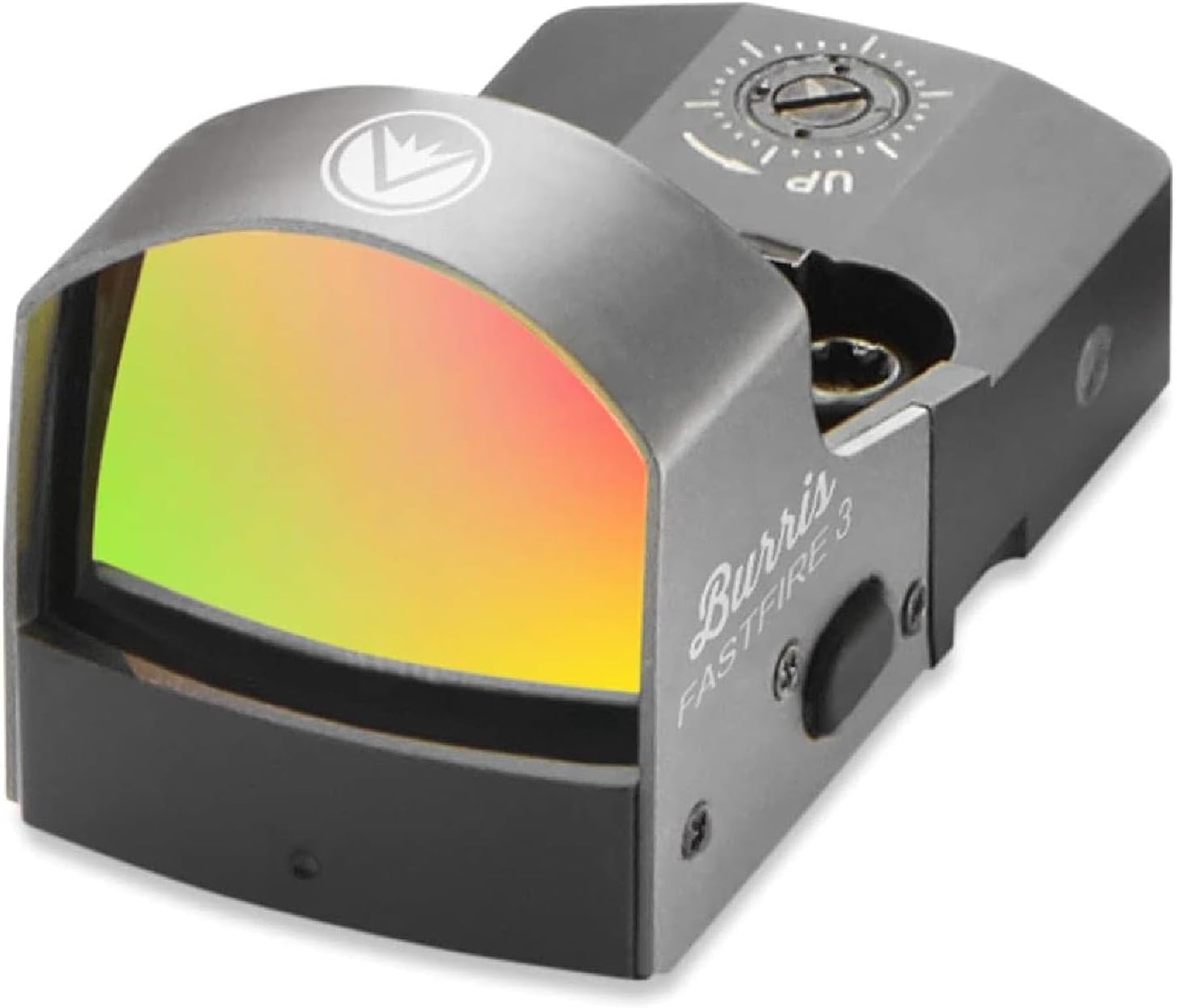
A lightweight, proven micro reflex sight that pairs exceptionally well with rimfire pistols like the CP33.
Specs:
- 3 MOA / 8 MOA dot options
- Top-loading battery (CR1632)
- Automatic brightness adjustment
- Picatinny mount included
Pros:
- Extremely light—perfect for CP33 balance
- Wide window for fast acquisition
- Simple controls
Cons:
- Auto brightness can struggle in mixed lighting
- Open emitter design
My hands-on notes:
The FastFire 3 feels almost purpose-built for the CP33. The low deck height allows a natural presentation, and I noticed minimal parallax shift inside 25 yards. The lens has a slight blue tint but remains clear. With gloves, the single-button control is usable but not ideal for quick adjustments.
What people say online:
Most users love it for plinking and competition-style shooting. Some mention brightness inconsistencies outdoors.
Mounting clarity:
Direct mount to Picatinny rail—no adapter needed.
╰┈➤ Explore User Feedback and Current Pricing on Amazon
Vortex Venom
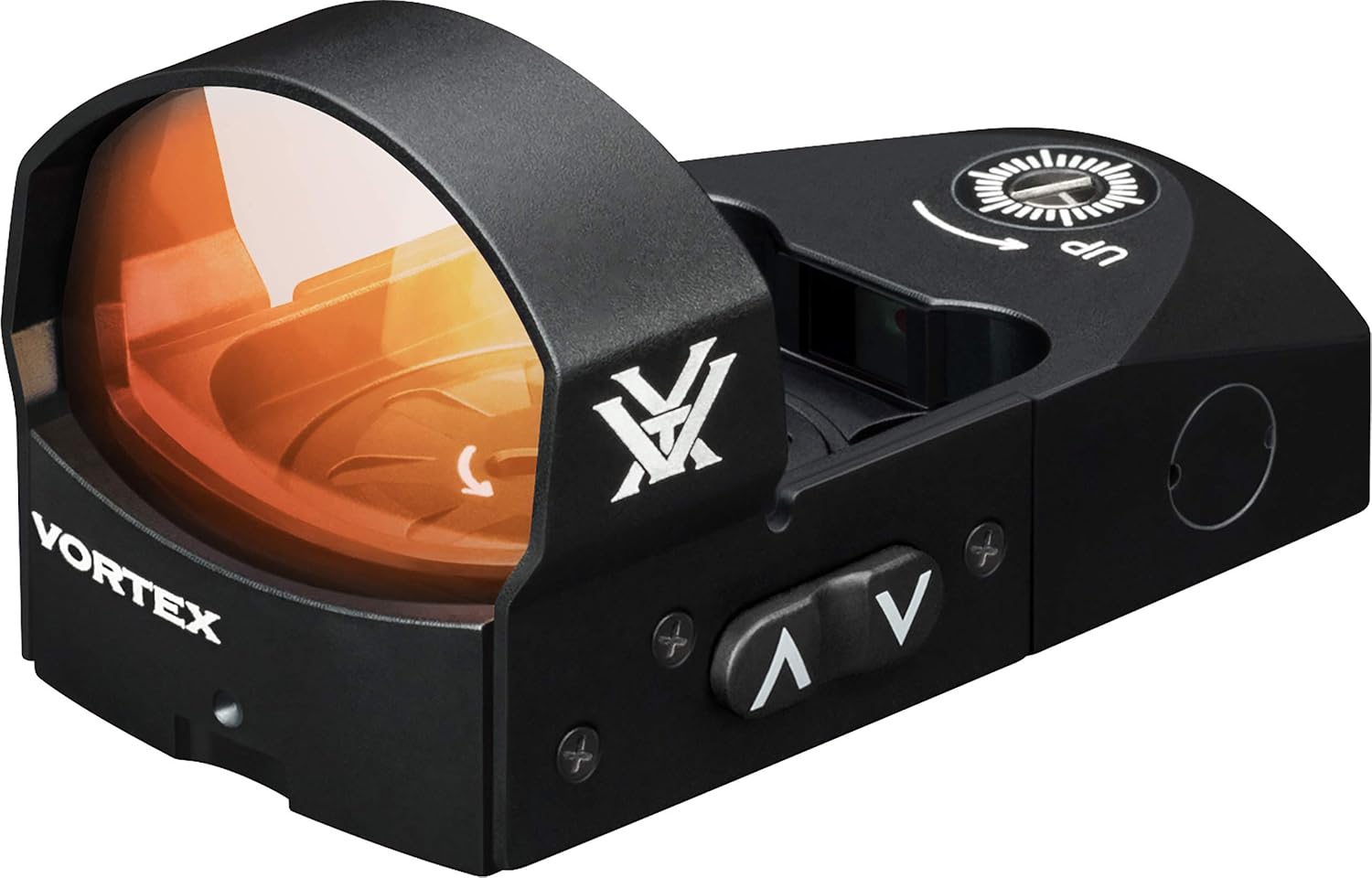
A versatile micro red dot with excellent clarity and manual brightness control.
Specs:
- 3 MOA or 6 MOA dot
- Top-load battery
- Aluminum housing
- Auto and manual brightness modes
Pros:
- Crisp dot with minimal starburst
- Excellent glass quality
- Easy battery access
Cons:
- Slightly bulkier than FastFire
- Buttons are small with gloves
My hands-on notes:
The Venom’s glass clarity stands out immediately. The window distortion is minimal, and parallax is well-controlled at typical CP33 distances. The deck height is slightly higher, but still comfortable. Button tactility is decent, though I found it harder to adjust with gloves.
What people say online:
Users consistently praise durability and clarity. Complaints mainly revolve around button ergonomics.
Mounting clarity:
Includes Picatinny mount—direct fit on CP33 rail.
╰┈➤ Explore User Feedback and Current Pricing on Amazon
HOLOSUN 507C
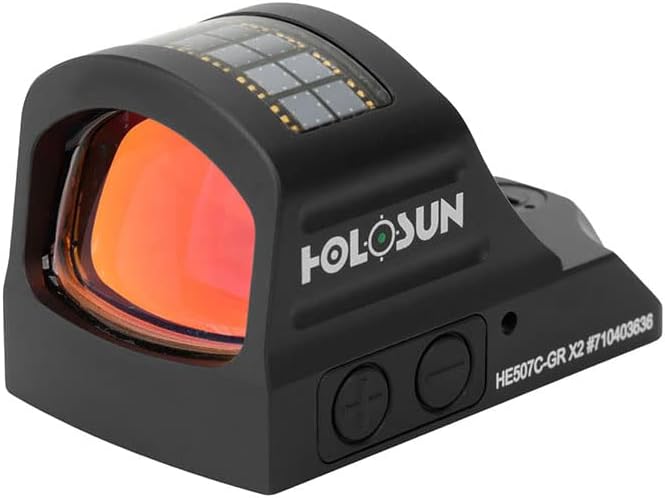
A feature-rich optic with multiple reticle options and excellent battery life.
Specs:
- 2 MOA dot + 32 MOA circle
- Solar failsafe
- Side battery tray
- Shake-awake technology
Pros:
- Multiple reticle system
- Long battery life
- Durable housing
Cons:
- Slightly heavier
- More complex controls
My hands-on notes:
The 507C gives you flexibility. The circle-dot reticle is incredibly fast on the CP33. Parallax shift is minimal, and the emitter is well-protected. The lens has a mild green tint. Button feedback is solid even with gloves, which I appreciate during extended sessions.
What people say online:
Highly regarded for reliability and features. Some prefer simpler optics for rimfire use.
Mounting clarity:
Requires Picatinny adapter plate—commonly included or easily sourced.
╰┈➤ Explore User Feedback and Current Pricing on Amazon
HOLOSUN 407C
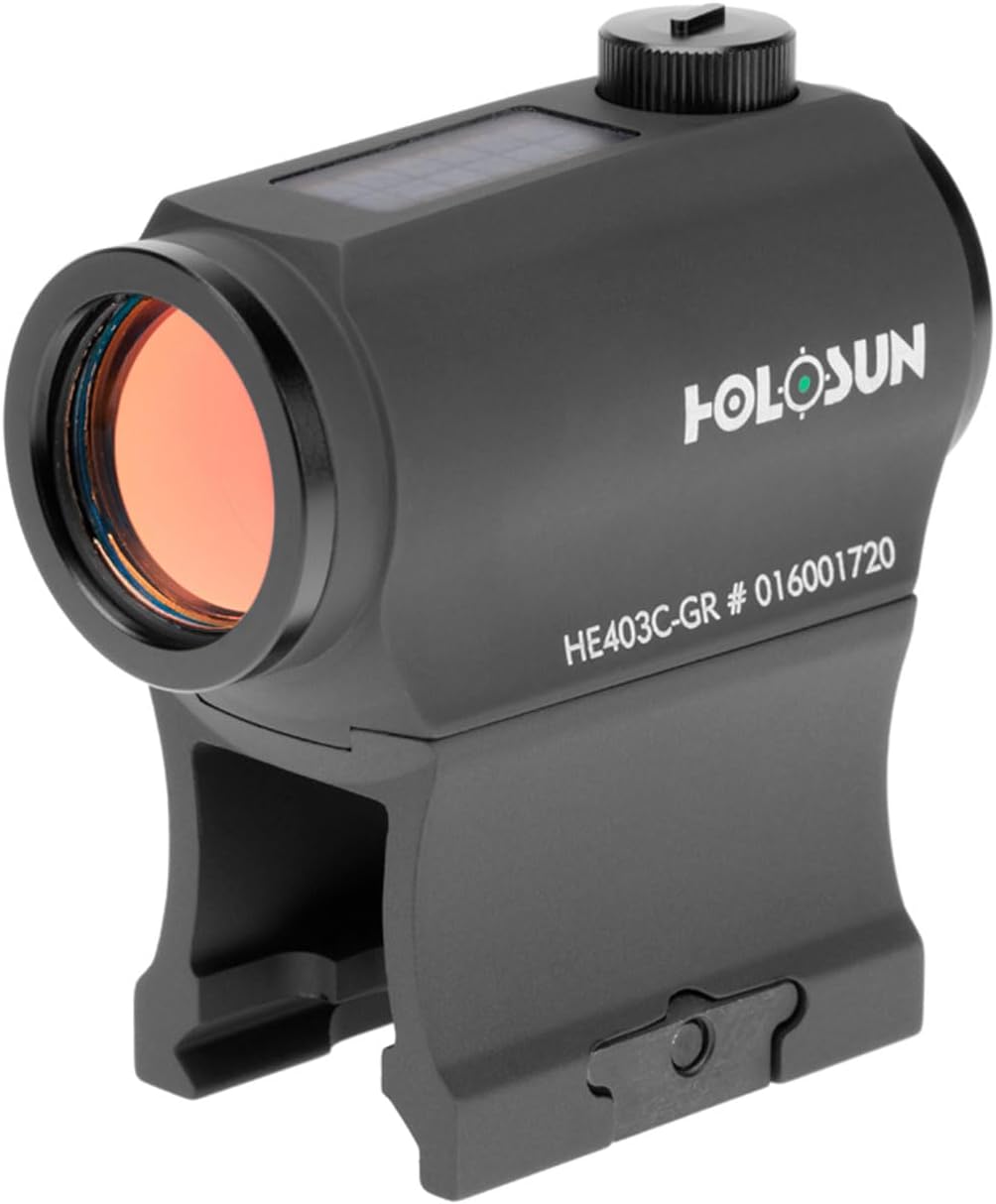
A simplified version of the 507C with a single dot reticle.
Specs:
- 2 MOA dot
- Solar backup
- Shake-awake
- Side battery tray
Pros:
- Cleaner sight picture
- Excellent battery system
- Durable construction
Cons:
- No multi-reticle
- Slight lens tint
My hands-on notes:
This optic feels right at home on the CP33. The dot is crisp, and parallax performance is excellent. The lower visual clutter compared to the 507C makes it easier for precision shooting. Controls are tactile enough for gloved use.
What people say online:
Users appreciate the simplicity and reliability. Often recommended as a budget-friendly premium option.
Mounting clarity:
Uses RMR footprint—requires Picatinny adapter.
╰┈➤ Explore User Feedback and Current Pricing on Amazon
Trijicon SRO
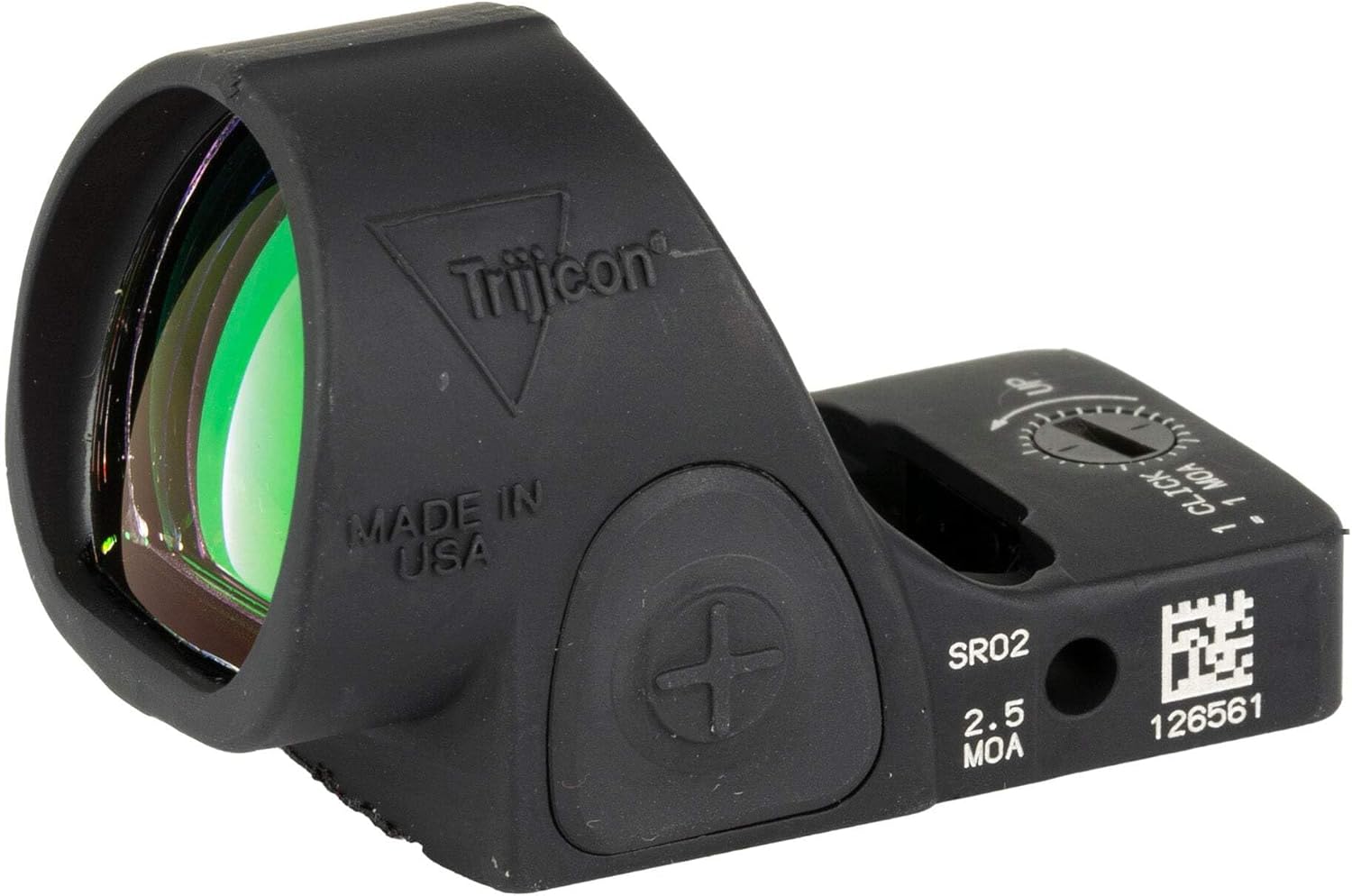
A competition-grade optic with one of the largest windows available.
Specs:
- 1 MOA, 2.5 MOA, or 5 MOA dot
- Top-loading battery
- Large circular window
- Adjustable brightness
Pros:
- Massive field of view
- Extremely fast acquisition
- Premium build
Cons:
- Expensive
- Open emitter vulnerability
My hands-on notes:
The SRO transforms the CP33 into a speed machine. The large window makes tracking effortless. Parallax is very well controlled, and the dot remains stable even during rapid fire. The lens is crystal clear with minimal tint. Button controls are excellent—even with gloves.
What people say online:
Widely praised for competition shooting. Concerns mainly about durability in harsh environments.
Mounting clarity:
RMR footprint—requires Picatinny adapter.
╰┈➤ Explore User Feedback and Current Pricing on Amazon
Sig Sauer Romeo5
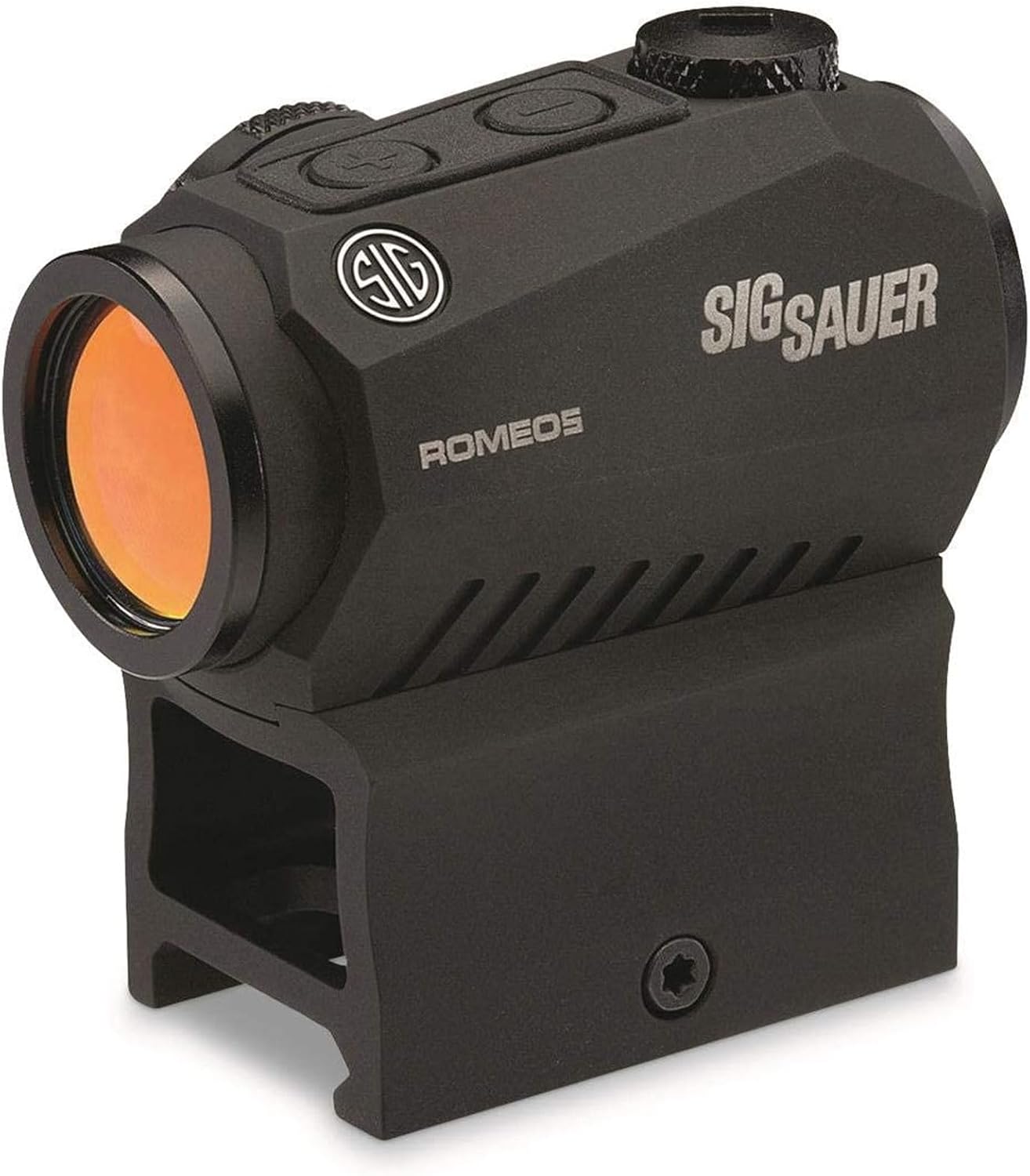
A compact rifle-style red dot that surprisingly works well on the CP33.
Specs:
- 2 MOA dot
- Motion-activated illumination
- 50,000-hour battery life
- Waterproof aluminum housing
Pros:
- Extremely durable
- Long battery life
- Affordable
Cons:
- Bulkier than pistol dots
- Higher mount height
My hands-on notes:
This is unconventional—but effective. The Romeo5 adds weight, but the CP33 handles it well. Parallax is minimal, and the dot remains crisp. The higher deck height requires adjusting your presentation. Controls are glove-friendly and responsive.
What people say online:
Users love the value and durability. Some feel it’s overkill for a rimfire pistol.
Mounting clarity:
Direct Picatinny mount included.
╰┈➤ Explore User Feedback and Current Pricing on Amazon
How I Tested / Evaluation Criteria
Parallax:
I evaluated each optic at 10–50 yards, focusing on dot shift at edge-of-window aiming. Most performed well, but larger-window optics like the SRO showed the least noticeable shift.
Co-witness / Deck Height:
On the CP33, deck height affects natural point of aim. Lower optics like the FastFire 3 felt more intuitive, while higher mounts like the Romeo5 required adjustment.
Durability:
Even with .22LR, repeated cycling tests reveal weaknesses. I looked for zero retention, emitter protection, and housing rigidity.
Battery:
Top-load and side-load designs scored higher. Frequent removal of optics for battery swaps is a major downside.
Brightness Range:
Outdoor usability is critical. I tested in bright sunlight and shaded environments to check washout.
Glass Quality:
Clarity, tint, and distortion were evaluated. Premium optics had less color shift and edge warping.
Controls Ergonomics:
Button size and tactile feedback matter, especially with gloves. Some optics clearly outperform others here.
Mounting Ecosystem:
Compatibility with Picatinny and adapter plates was essential. Simpler mounting always wins.
How to Choose the Right Red Dot for This Gun
The CP33 is unique. It’s not a traditional pistol, and it’s not quite a rifle either. That means your optic choice should reflect how you plan to use it.
First, consider weight. The CP33 is extremely light, and adding a heavy optic can throw off its balance. Micro reflex sights like the FastFire 3 or Venom maintain the gun’s natural handling. If you go with something like the Romeo5, expect a more front-heavy feel.
Next is window size. Larger windows—like the SRO—make a huge difference in speed shooting. If your goal is steel challenge or fast plinking, this matters more than durability.
Mounting height is another critical factor. Lower deck height gives you a more natural presentation. High mounts force you to adjust your grip and sight alignment, which can slow you down.
Battery access is often overlooked. Top-load or side-load designs are far more convenient. Removing an optic to change batteries risks losing zero.
Then there’s reticle choice. A simple 2 MOA dot is great for precision, but a circle-dot reticle (like on the 507C) can speed up acquisition dramatically.
Finally, durability still matters—even on a rimfire. The CP33 may not recoil hard, but cheap optics still fail over time.
FAQs
1. Can I mount any red dot on the CP33?
Yes, as long as it’s compatible with Picatinny rails or has an adapter plate.
2. Is a rifle red dot too big for the CP33?
Not necessarily, but it changes the balance and handling.
3. Do I need a co-witness setup?
Not really. The CP33 is typically run without backup irons.
4. Are open emitter optics okay for rimfire?
Yes, but they require occasional cleaning.
5. What dot size is best?
2–3 MOA is ideal for versatility.
Conclusion
After extensive testing, the Best Red Dot for Kel Tec Cp33 ultimately comes down to how you use the platform. If you want lightweight speed, go with micro reflex optics like the FastFire 3 or Venom. If you prefer advanced features, Holosun models deliver outstanding value. And if performance is your priority, the SRO stands in a class of its own.
Each of these optics works—but the right choice depends on your balance of speed, weight, and usability.